Caring for Wool Sweaters to Avoid Shrinkage
Wool sweaters are valued for their warmth, softness, and durability, but they require careful maintenance to retain their original fit and appearance. Many people discover too late that improper washing or drying can cause significant shrinkage, felting, or distortion of the fibers. Understanding the nature of wool and adopting gentle care routines can help preserve the garment’s integrity over time. This article outlines practical methods for hand-washing, drying, and storing wool sweaters to minimize the risk of shrinkage and damage.
The structure of wool fibers contributes to both its desirable qualities and its vulnerability. Each fiber is covered in microscopic scales that can interlock when exposed to heat, moisture, and agitation, leading to irreversible shrinkage. By controlling these factors, you can maintain the sweater’s size and texture. The following sections describe a step-by-step approach to caring for wool sweaters, from washing to storage, with an emphasis on gentle handling and appropriate materials.
Before applying any method, always check the sweater’s care label for specific instructions. Some wool blends may have different requirements, and certain garments may be labeled as dry-clean only. When in doubt, consult a professional cleaner. The recommendations here are general guidelines that can be adapted to different types of wool and individual circumstances.
Understanding Wool Shrinkage
Shrinkage in wool is primarily caused by the relaxation of fibers and the felting process. When wool is exposed to heat, moisture, and mechanical agitation, the scales on the fiber surface can lock together, causing the fabric to contract and thicken. This is known as felting, and it is often irreversible. Even without full felting, wool fibers can relax and return to a more natural state, leading to a slight reduction in size. The goal of careful washing is to minimize both relaxation and felting.
Several factors influence the likelihood of shrinkage. Water temperature, detergent type, agitation level, and drying method all play a role. Hot water and harsh detergents can strip natural oils from the fibers, making them more prone to damage. High agitation, such as that in a washing machine, can cause the scales to interlock. Rapid drying, especially with heat, can also force fibers to contract. By controlling these variables, you can significantly reduce the risk.
It is also important to recognize that some shrinkage may occur naturally over time, even with the best care. Wool is a natural fiber, and its response to washing can vary depending on the breed of sheep, the spinning method, and the finishing treatments applied during manufacturing. Accepting a small degree of change as normal can help set realistic expectations. However, following the methods described here can help keep shrinkage to a minimum.
Hand-Washing Techniques
Hand-washing is the safest method for cleaning wool sweaters. It allows you to control water temperature, agitation, and rinsing, which are critical for preventing shrinkage. Start by filling a clean basin or sink with cool or lukewarm water. Hot water should be avoided, as it can cause fibers to contract. Add a small amount of gentle detergent formulated for wool or a mild baby shampoo. Avoid using regular laundry detergents, which may contain enzymes or bleaches that can damage wool fibers.
Submerge the sweater in the water and gently press it down to ensure it is fully wet. Allow it to soak for about 10 to 15 minutes. Do not rub, wring, or twist the sweater, as this can cause felting. If there are stains, you can gently squeeze the stained area with your fingers, but avoid vigorous rubbing. After soaking, drain the water and refill the basin with cool water to rinse. Again, gently press the sweater to remove soap, and repeat the rinsing process until no suds remain.
To remove excess water, lift the sweater carefully and support it with both hands to prevent stretching. Place it on a clean, dry towel and roll the towel up with the sweater inside. Gently press down on the rolled towel to absorb water. Do not wring or twist the sweater. The towel method helps remove moisture without distorting the fibers.
For sweaters with embellishments or delicate details, extra care is needed. Beads, embroidery, or appliqués may be damaged by soaking or agitation. In such cases, consider spot cleaning only, or consult a professional cleaner. Always test any cleaning method on a small, inconspicuous area first to ensure it does not adversely affect the color or texture.
Drying and Shaping
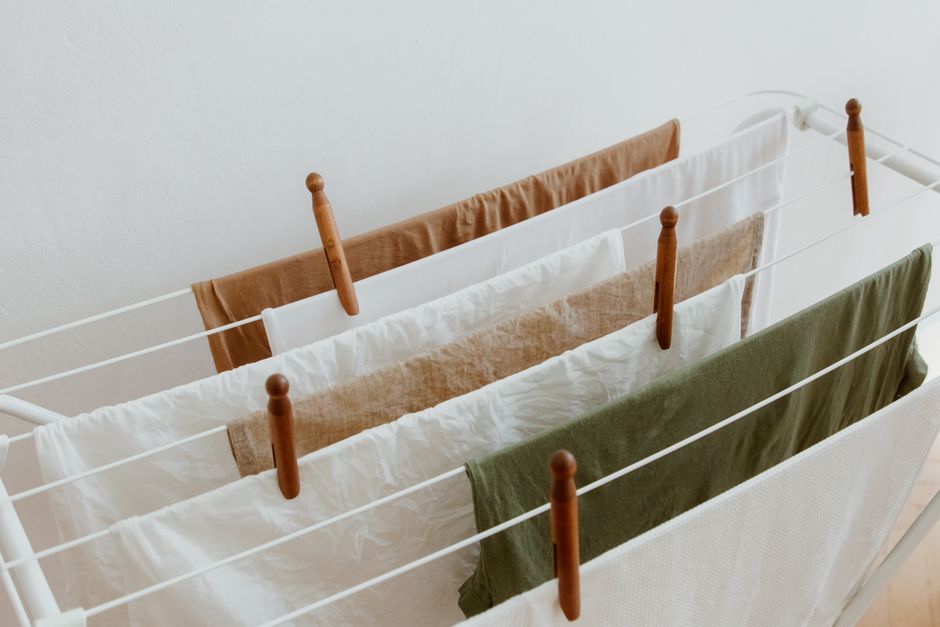
Proper drying is essential to prevent shrinkage and maintain the sweater’s shape. After removing excess water with a towel, lay the sweater flat on a clean, dry towel or a mesh drying rack. Arrange it to its original dimensions, gently patting it into shape. Avoid hanging the sweater, as the weight of the wet wool can stretch it out of shape. Also, keep it away from direct sunlight or heat sources, such as radiators or hair dryers, which can cause fibers to contract.
Allow the sweater to air dry at room temperature. This may take 24 to 48 hours, depending on humidity and thickness. Turn the sweater over halfway through drying to ensure even drying. If the sweater feels slightly damp, you can gently reshape it again. Once dry, it should retain its original size and softness. If you notice any slight shrinkage, you can try to gently stretch the sweater back to shape while it is still damp, but be careful not to overstretch.
For faster drying, you can use a fan to circulate air, but avoid pointing it directly at the sweater, as this can cause uneven drying. Do not use a tumble dryer, even on low heat, as the heat and agitation can cause severe shrinkage. If you must use a dryer, choose an air-fluff cycle with no heat, but this still carries some risk. Hand-washing and flat-drying remain the most reliable methods for preventing shrinkage.
Storage to Prevent Moth Damage
Proper storage is crucial for protecting wool sweaters from moths and other pests. Moths are attracted to the protein in wool fibers and can cause holes and damage. Before storing, ensure the sweater is clean, as food stains or perspiration can attract insects. Fold the sweater neatly and place it in a breathable storage bag or a clean cotton pillowcase. Avoid plastic bags, which can trap moisture and lead to mildew.
Cedar blocks are a traditional and effective way to deter moths. The scent of cedar oil is unpleasant to moths and can help protect your sweaters. Place cedar blocks or cedar sachets in the storage container or drawer with the sweaters. Over time, the cedar may lose its scent; you can refresh it by lightly sanding the blocks or adding a few drops of cedar oil. However, cedar blocks should not be placed directly against the sweater, as the oil can stain the fabric. Instead, wrap them in a cloth or place them in a small pouch.
Store sweaters folded rather than hung, as hanging can stretch the shoulders and cause distortion. If you must hang, use padded hangers and fold the sweater over the bar. Keep storage areas cool, dry, and dark, as moths prefer warm, humid environments. Periodic inspection of stored sweaters can help detect any pest activity early. If you find signs of moths, such as holes or larvae, isolate the affected sweater and clean it thoroughly.
Additional Care Tips
Beyond washing and storage, several other practices can extend the life of your wool sweaters. Rotate your sweaters to avoid wearing the same one too frequently, giving fibers time to recover. Use a sweater comb or fabric shaver to remove pilling, which can make the sweater look worn. When wearing, avoid contact with rough surfaces or Velcro, which can snag the fibers. If the sweater becomes misshapen, you can often restore it by dampening it and reshaping it on a flat surface.
For stubborn odors, airing the sweater outdoors in a shaded area can help. Avoid using fabric softeners or dryer sheets, as they can coat the fibers and reduce wool’s natural breathability. If you need to deodorize, a light mist of water with a few drops of essential oil can be used, but test first. Always follow the care label and use common sense when handling wool garments.
By adopting these gentle care practices, you can enjoy your wool sweaters for many seasons while minimizing shrinkage and damage. Remember that consistency and attention to detail are key. With proper hand-washing, flat-drying, and storage with cedar blocks, your sweaters can remain comfortable and well-fitting for years to come.